

















News & Insights
Witness Hua Power driving the energy transition and advancing a sustainable energy future from a news perspective.
How Many Cycles Can an Energy Storage Battery Last?
-
Source:Hua Power
-
Time: 2025-11-06
-
Author:Hua Power
-
Views:3370
In energy storage systems, a common question often arises:
“How many times can a battery be charged and discharged?”
While the question sounds simple, the answer depends on multiple factors — including cell chemistry, system design, environmental conditions, and operational management.
As a company specializing in the R&D and manufacturing of commercial and industrial energy storage systems, Hua Power is here to clarify the key logic behind battery cycle life.
1. Cycle Count vs. Battery Lifespan
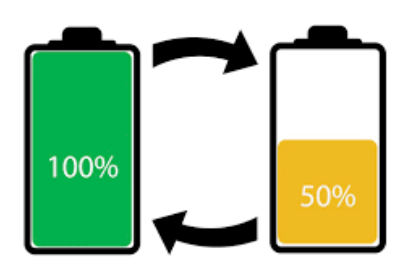
A cycle count refers to one complete charge–discharge process — for example, charging from 0% to 100% and discharging back to a defined depth of discharge (DOD).
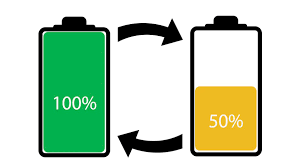
However, the battery lifespan is not only defined by the number of cycles, but also by capacity degradation.
Typically, when a battery’s usable capacity declines to 80% of its initial capacity, it is considered to have reached the end of its service life.
Therefore, a battery labeled as “6000 cycles” means it can maintain 80% capacity after around 6000 full charge–discharge cycles under standard test conditions. In real applications, temperature, DOD, and C-rate can all significantly influence actual lifespan.
2. Cycle Performance of Different Battery Types
Common battery chemistries used in energy storage include:
-
Lithium Iron Phosphate (LFP): 6,000–12,000 cycles. Known for long life and excellent safety, making it the mainstream choice for commercial and industrial storage.
-
Nickel-based (NCM/NCA): 3,000–6,000 cycles. Offers high energy density but slightly shorter life.
-
Sodium-ion Batteries: 3,000–5,000 cycles. Cost-effective with ongoing performance improvements.
| Battery Type | Cycle Life | Features |
| Lithium Iron Phosphate (LTP) | 6,000–12,000 cycles | Safe and reliable, long lifespan, mainstream for commercial and industrial energy storage |
| Ternary Lithium (NCM) | 3,000–6,000 cycles | High energy density, short lifespan Sodium-ion Battery |
| Sodium-ion Battery | 3,000–5,000 cycles | Low cost, still in validation phase |
Among these, LFP batteries are widely adopted in commercial and industrial energy storage for their long cycle life and superior thermal stability.
3. Key Factors Affecting Battery Life
-
Depth of Discharge (DOD)
Deeper discharges create higher chemical stress, shortening cycle life. Limiting DOD to around 80% can significantly extend service life. -
Temperature Management
High temperatures accelerate aging, while low temperatures increase internal resistance. Liquid or air cooling systems help stabilize temperature and extend battery life. -
Charge/Discharge Rate (C-rate)
High C-rates improve short-term efficiency but can accelerate degradation. Proper control balances performance and longevity. -
Battery & Energy Management Systems (BMS/EMS)
High-precision BMS ensures real-time cell monitoring and balancing, while EMS optimizes system operation, temperature control, and overall safety. -
Operating Conditions & Maintenance
Frequent deep discharges or harsh environments shorten life, while intelligent operation and regular maintenance can significantly improve system durability.
4. Hua Power’s Approach to Extended Battery Life
At Hua Power, we go beyond cell specifications — our focus is on system-level engineering and intelligent control:
-
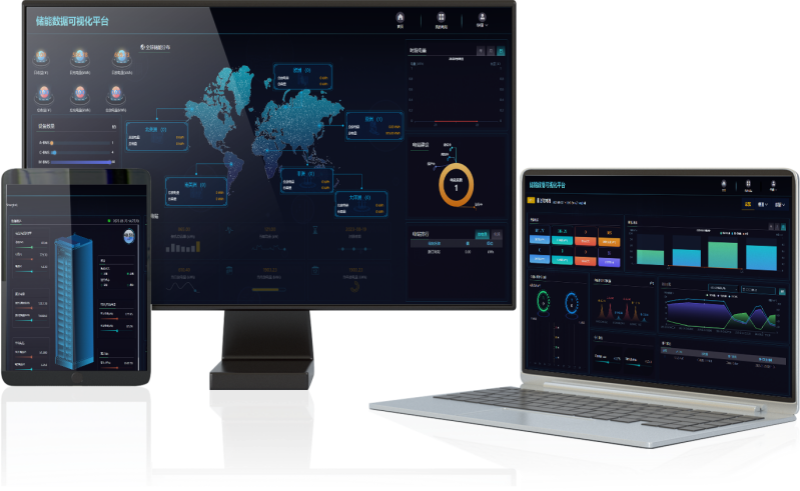
In-house BMS & EMS development for intelligent monitoring and optimization.
-
Liquid cooling and modular design to maintain temperature balance and stability.
-
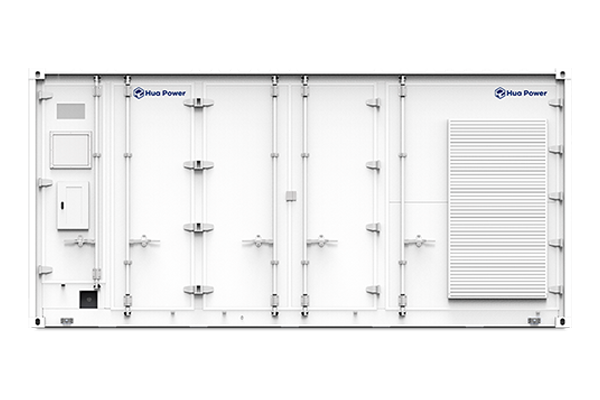
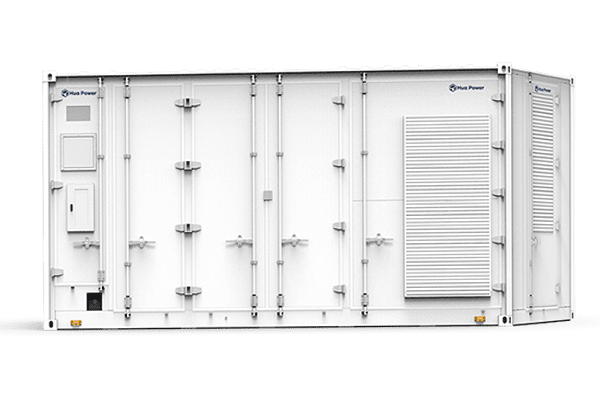
Field-proven reliability, such as the 2MW/3.14MWh liquid cooling storage system deployed in the Czech Republic, demonstrating long-term stable operation.
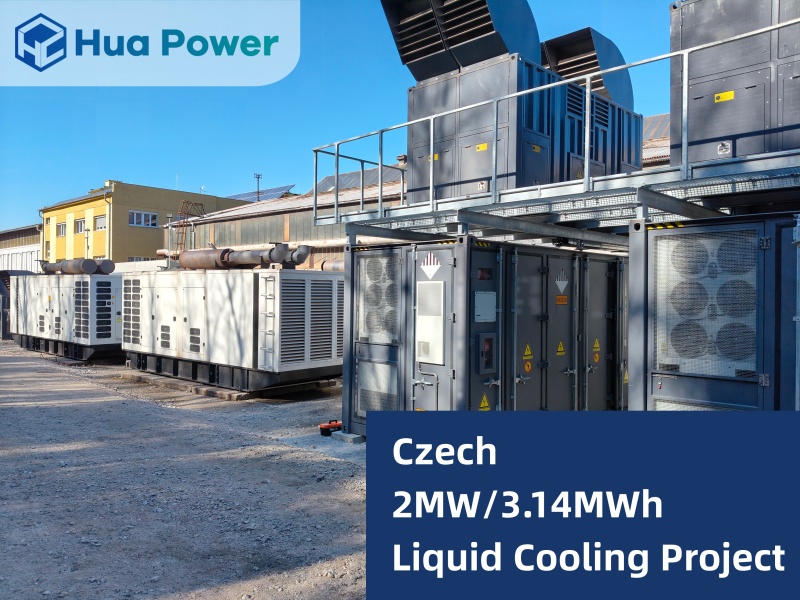
Through integrated management and intelligent scheduling, Hua Power ensures that every storage system operates safely, stably, and efficiently — even under high cycle usage.
5. Conclusion
So, how many times can an energy storage battery really cycle?
The answer lies not only in the cell itself, but in the design, environment, management, and maintenance behind the system.
At Hua Power, we continue to innovate — making every flow of energy more efficient and ensuring that each cycle delivers lasting value for our partners and the planet.