
















News & Insights
Witness Hua Power driving the energy transition and advancing a sustainable energy future from a news perspective.
Hua Power Share | What Issues Should Businesses Consider When Equipping Themselves with Energy Storage?
-
Source:Hua Power
-
Time: 2024-12-25
-
Author:Hua Power
-
Views:6324
With the fluctuation of energy prices and the popularisation of renewable energy, more and more companies are beginning to pay attention to energy storage technology. As an important tool for optimising corporate energy use, the selection and deployment of energy storage equipment requires careful evaluation from multiple perspectives.
So, what issues do companies need to consider when equipping themselves with energy storage?
.png)
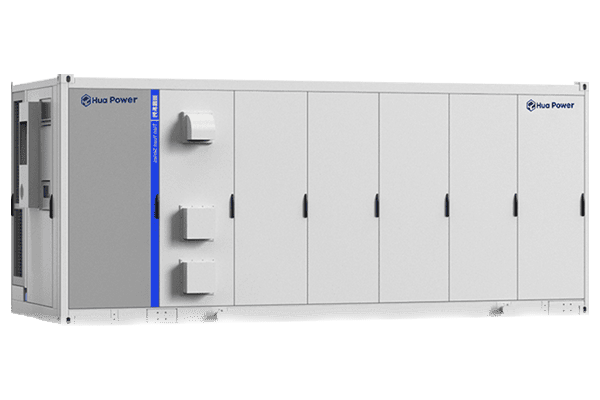
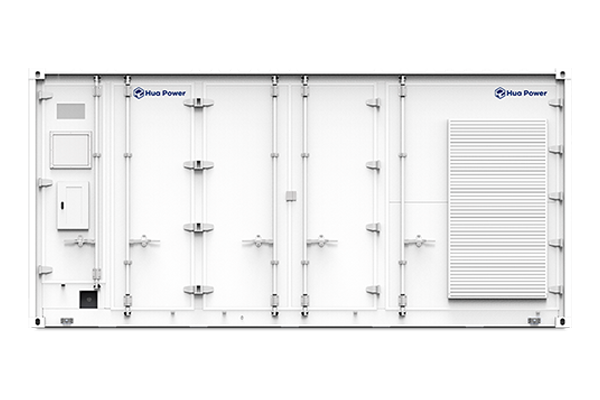
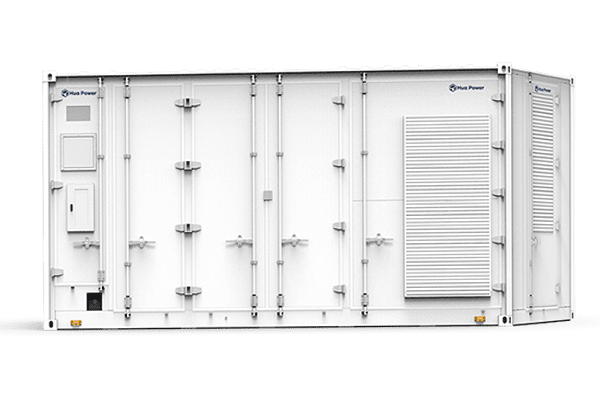
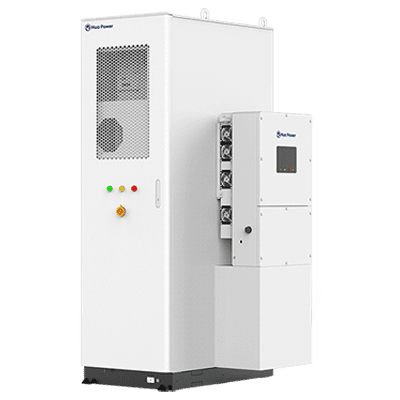
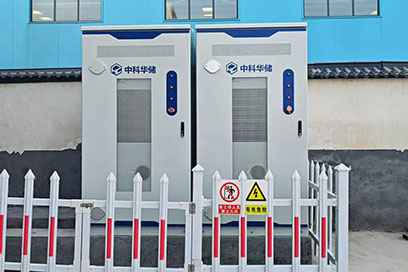
250kW / 1MWh All-in-one 20ft container ESS _Outdoor (Belgium)
1.Electricity Demand Analysis: Understanding a Company's Electricity Usage Characteristics
When deciding whether to introduce energy storage equipment, a company must first conduct a comprehensive analysis of its electricity usage characteristics:
Load Characteristics: Is the company's electricity load constant or highly fluctuating? How are peak and off-peak electricity usage periods distributed?
Electricity Costs: Is there a significant difference between peak and off-peak electricity rates in the current electricity tariff structure? Are there any additional demand charges?
Power Outage Tolerance: What is the company's tolerance for power outages? Is a storage system required to provide backup power support?
2.Clear application scenarios: What is the core objective of energy storage?
Different application scenarios correspond to different energy storage solutions, and enterprises need to clearly define the primary objectives of energy storage:
Peak shaving and valley filling: Reduce peak electricity loads through energy storage equipment to minimise demand charges.
Backup power supply: Provide emergency power support for critical equipment or production lines during power outages.
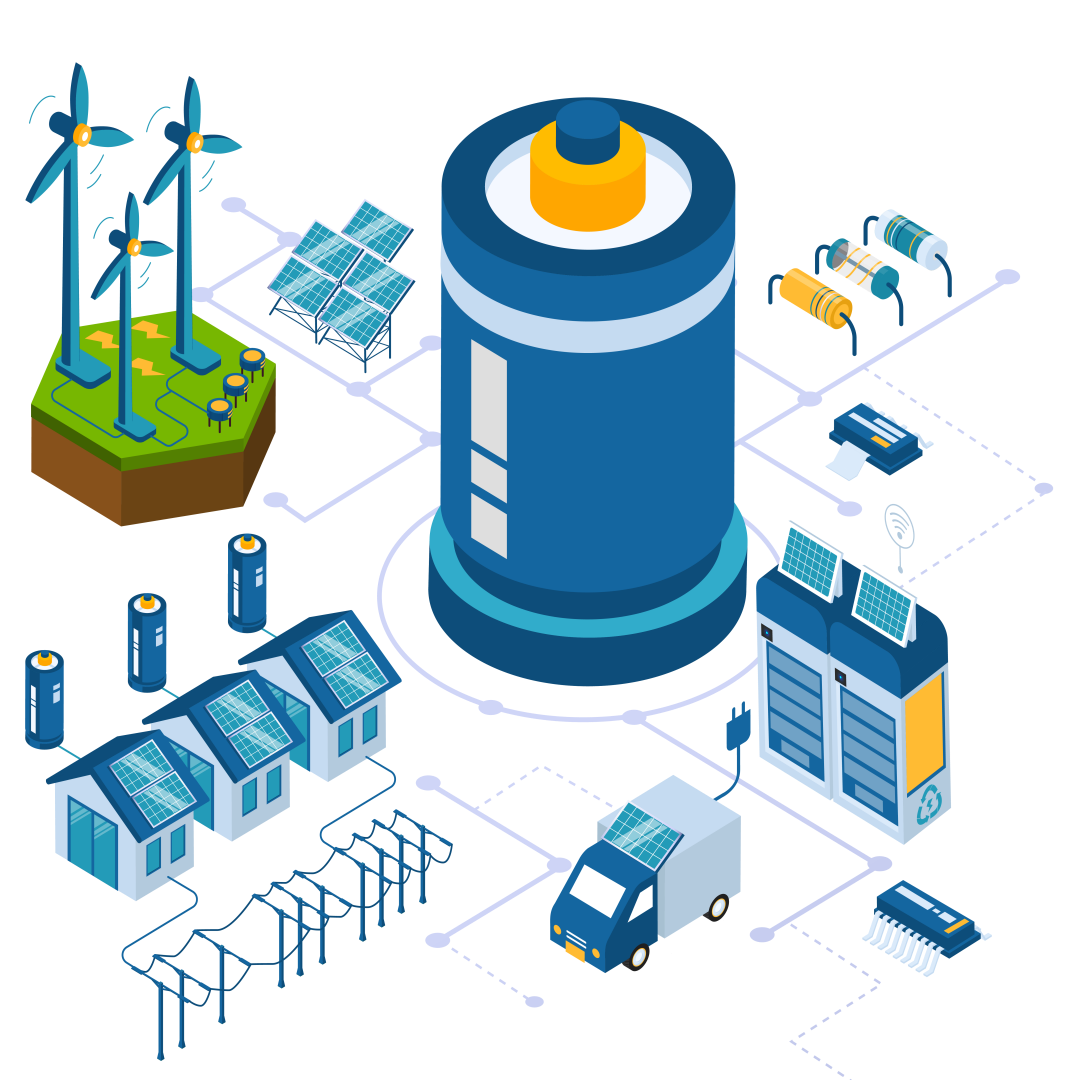
Renewable energy integration: Combine with photovoltaic or wind energy systems to enhance the utilisation rate of renewable energy.
Participation in grid ancillary services: Provide services such as frequency regulation to the grid and generate additional revenue.
3.Equipment Technical Parameters: Key Indicators to Consider
The performance of an energy storage system is determined by multiple technical parameters. Companies should focus on the following key indicators:
Energy Storage Capacity (kWh) determines how much electrical energy the system can store, which is critical for matching electricity demand.
Output Power (kW) affects how quickly the equipment can release electrical energy, making it suitable for peak electricity consumption or emergency response.
Efficiency: The higher the energy conversion efficiency, the lower the operating costs of the equipment.
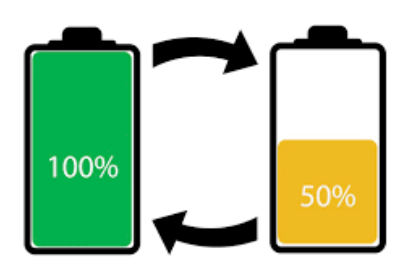
Cycle Life determines the service life of the system, particularly in scenarios with frequent charging and discharging, where this metric should be closely monitored.
Temperature Adaptability: Can the energy storage equipment operate normally under extreme temperatures at the company's location?
4.Return on Investment Assessment: Calculate the Economic Benefits
Energy storage systems are a long-term investment, and companies need to comprehensively assess their economic feasibility when equipping them:
Are the initial costs of equipment procurement, installation, and commissioning within the budget?
What are the daily maintenance costs, battery replacement costs, and potential energy efficiency benefits?
How long will it take for the initial investment to be recouped through savings on electricity bills or participation in the electricity market?
.JPG)
5.Safety and regulatory compliance: an essential bottom line Energy storage equipment involves high-energy-density battery technology, and its safety and compliance are key considerations for businesses:
Safety certification: Has the equipment passed relevant international or national safety certifications?
Protective design: Does it have functions such as overcharge, over-discharge, and short-circuit protection?
Environmental protection: Do the battery materials and waste disposal comply with environmental protection regulations?
6.System integration and compatibility: Seamless integration with existing systems
Energy storage equipment needs to be seamlessly integrated with existing power systems.
Is the energy storage equipment compatible with the company's existing power grid and electrical systems?
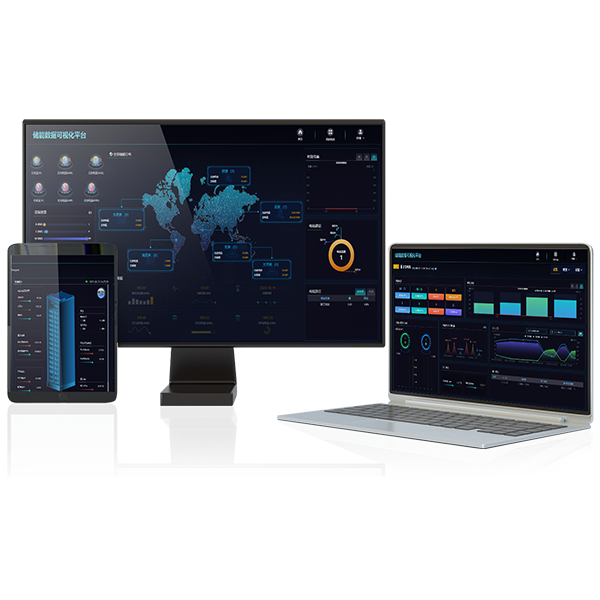
Does the intelligent management system support integration with the energy management platform to enable real-time monitoring and optimised scheduling?
.png)
7.After-sales service and maintenance support: Guarantee for long-term use
The stable operation of energy storage systems requires comprehensive after-sales support:
Service quality Does the supplier provide comprehensive installation, training, and operation and maintenance services?
Response speed When equipment malfunctions, can technical support be provided quickly?
Spare parts supply Are batteries or core components easy to replace, and is the supply chain stable?
The decision to equip a business with energy storage equipment requires comprehensive consideration of various factors, including demand, cost, technology, regulations, and services. Choosing the right energy storage equipment can not only optimise electricity consumption structure and reduce electricity costs, but also contribute to the sustainable development of your business. If you have any questions about energy storage technology or solutions, please feel free to contact Hua Power. We will tailor an energy storage solution for you, helping your business seize the initiative in the future energy transition!